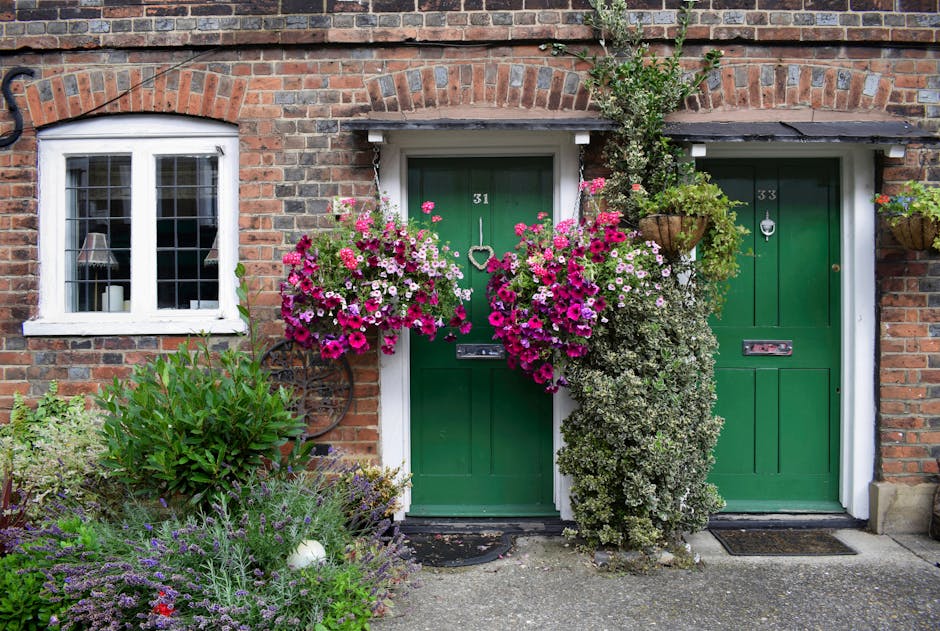
Gardeners serving BR6 Leaves Green Downe small front gardens: practical ideas for compact spaces that still feel inviting
If you live with a small front garden in BR6 Leaves Green or Downe, you already know the challenge: there is never quite enough space, yet the front of the house still has to do a lot of work. It needs to look neat, feel welcoming, cope with weather, and not become another weekend burden. That is where Gardeners serving BR6 Leaves Green Downe small front gardens can make a real difference. With the right planning, even a tight frontage can become a clean, characterful space that looks deliberate rather than squeezed in.
In practice, small front gardens ask for a different kind of thinking. You are not trying to fill every inch. You are trying to make every inch earn its keep. That might mean a slimmer planting scheme, a better path layout, sharper edges, or simply a maintenance plan that stops the space from looking tired after a wet week and a windy one. Let's face it, a front garden is often the first thing you see when you get home. It should make life easier, not louder.
This guide walks through what matters most, how small-front-garden work typically happens, which choices bring the best results, and what to avoid if you want something tidy, durable, and genuinely pleasant to live with.
Why Gardeners serving BR6 Leaves Green Downe small front gardens Matters
Small front gardens are deceptive. From the pavement, they may look simple, even modest. Up close, though, they can involve awkward slopes, compact borders, patchy light, exposed soil, hard surfaces, boundary issues, drainage quirks, and very little room to hide mistakes. That is why experienced local gardening help matters so much here. A small space has no place to waste, no place to overplant, and no tolerance for clutter.
In BR6, the everyday realities matter too. You get damp periods, windy spells, periods of shade from nearby houses or hedges, and a steady cycle of leaf fall and weed pressure. A front garden near the street can also suffer from salt, foot traffic, and the occasional bit of accidental trampling. When the frontage is compact, all those pressures stack up faster. A thoughtful gardener does not just "tidy it up"; they design it to stay manageable.
There is also the practical side. Small front gardens often affect how a property feels from the road. If the entrance is cluttered, overgrown, or awkward to navigate, the whole home can seem less cared for. If it is clean, proportioned, and well maintained, the house instantly feels more settled. That is a subtle thing, but you notice it the minute you arrive.
For many homeowners, the real goal is not a showpiece. It is a front garden that looks calm on a Tuesday morning and still looks calm after a bit of rain, a delivery van, and a month of ordinary life. That is a very sensible goal, frankly.
How Gardeners serving BR6 Leaves Green Downe small front gardens Works
The process usually begins with a close look at what is already there. Not just the plants, but the shape of the space, the light levels, the boundary lines, the path, the soil condition, drainage, and how people actually move through the area. A small front garden is part design brief, part problem-solving exercise.
From there, the work often falls into a few clear stages:
- Assessment and priority-setting. What is failing first? Overgrown shrubs, weeds, poor drainage, tired turf, or a layout that simply makes the space feel cramped?
- Shape and function planning. The front garden needs a clear route, a sense of openness, and planting that suits the available room.
- Reset and cleanup. This may include cutting back, weeding, lifting dead material, edging, and sometimes removing plants that are doing more harm than good.
- Replanting or reworking. Compact planting, structured shrubs, low-maintenance borders, containers, or ground cover are often better choices than busy mixed beds.
- Aftercare planning. A good finish is only half the job. The real win is creating a garden that is easier to maintain next month, not just prettier today.
In smaller spaces, the best gardeners think in layers. First, define the hard structure. Then add planting. Then finish with details like edging, mulch, seasonal colour, or a couple of well-placed containers. That layering helps the garden feel designed rather than stuffed full. It also keeps maintenance realistic, which matters more than people expect.
If the brief involves a broader refresh, it may sit alongside wider help such as general gardening services or ongoing garden maintenance. For the front of the property specifically, many homeowners also look at lawn care or lawn mowing in Downe when turf still plays a role in the design.
Key Benefits and Practical Advantages
The biggest benefit is simple: a small front garden can start pulling its weight properly. But the advantages go beyond looks.
- Better first impression. A tidy, balanced frontage makes the whole property feel cared for.
- Less maintenance pressure. Smart plant choices and simple structure reduce ongoing work.
- More usable space. Even a narrow garden can feel less awkward with the right layout.
- Improved drainage and cleanliness. Careful ground treatment helps reduce mud, puddling, and mess near the entrance.
- More privacy where needed. A low hedge, screen, or planting scheme can soften views without boxing the garden in.
- Seasonal interest. A compact front garden can still look good in winter, not only in summer.
One thing people often overlook is sightline management. In a tiny front garden, a plant that grows too wide can dominate the whole view. A better choice is often something that gives texture without swallowing the path or masking the doorway. That is why vertical interest, clipped forms, and compact shrubs are so useful.
There is also value in creating a "quiet" garden. By quiet, I mean visually calm. A couple of consistent materials, a limited plant palette, and clean edging can look far more refined than a jumble of everything-in-one-go. To be fair, a small front garden rarely needs more drama. It needs less.
For readers exploring layout ideas, vertical gardening can be a smart way to add height without sacrificing floor space, while ground covers can help keep the surface neat and suppress weeds.
Who This Is For and When It Makes Sense
This kind of gardening support is a strong fit for several different homeowners. If your front garden has become patchy, overgrown, or difficult to keep on top of, the space may need a reset rather than a few quick trims. That is especially true if the front is small enough that every plant decision changes the whole look.
It makes sense if you:
- want a front garden that looks neat without constant attention
- have limited planting space and want a clearer design
- need help with weeds, tired turf, or scruffy borders
- are dealing with shade, wind, or poor soil
- want to improve the property's kerb appeal before selling or letting
- prefer low-maintenance planting over high-effort displays
It also helps if you are not sure what to do with the space. That is very normal. A lot of small front gardens fail because the owner keeps trying to fit too many ideas into too little room. A garden can be practical, attractive, and fairly low-fuss - but it usually cannot be all things at once.
If your main issue is simply that the space feels neglected, the starting point may be a tidy-up and a stronger maintenance rhythm. If the front garden has structure but lacks style, then planting, edging, or a new layout may be enough. And if the garden is being affected by problem growth such as ivy or coarse weeds, the first step is often removal and containment. In that case, strategies to free your garden from ivy can be very useful context.
Step-by-Step Guidance
If you are planning a small front garden refresh, a simple process helps keep decisions grounded. Here is a practical route that works well in real life.
- Measure the usable space. Note the narrowest point, the doorway approach, and any awkward corners.
- Map the movement. Where do people walk, stop, turn, and open gates or bins? Those points matter more than decorative ideas.
- Clear the visual noise. Remove dead plants, self-seeded clutter, and anything that blocks the front path or makes the area feel cramped.
- Fix the structure. Refresh edging, define borders, and decide whether the space needs turf, paving, gravel, containers, or a mix.
- Choose a plant style. Keep it restrained. Repeating a few good plants usually looks better than a crowded mix.
- Add texture and seasonality. Use one or two features for winter interest, spring colour, or evergreen shape.
- Plan maintenance honestly. A perfect garden that you cannot maintain is not a win. Be realistic.
A lot of front gardens fail at step four. People jump to plants before the structure is sorted. But structure is the quiet hero here. Once the paths, edges, and proportions are right, the rest becomes much easier.
If the space is especially awkward, you may want to consider landscaping for a more fundamental reshaping, or fencing if the boundary needs clearer definition. And if the garden has a lot of hard surface, patio cleaning can quickly lift the whole front-of-house feel. Small thing, big difference.
Expert Tips for Better Results
Here is the part where the modest front garden starts to surprise people. A few choices, made well, can give the whole space more polish than a much larger garden with no direction.
1. Use repetition instead of variety overload
Repeating the same two or three plants creates calm. It helps the eye rest. In a small space, that calm is gold.
2. Keep heights controlled
Plants that grow too tall or too wide can make a tight front garden feel defensive, almost boxed in. Choose forms that suit the scale of the house and path.
3. Make the path feel generous
Even if it is physically narrow, the route to the door should feel easy to follow. Clean lines, clear edging, and uncluttered edges make a bigger difference than people expect.
4. Think about weather exposure
Front gardens are often the most exposed part of the property. If yours gets wind-swept, a planting scheme that tolerates it will save headaches later. For that reason, wind strategies from planting to barriers can be a smart reference point, especially in open spots.
5. Use containers carefully, not randomly
Containers are brilliant in small gardens, but they need discipline. Two strong pots often look better than six small ones. If you want more ideas, see practical ways to flourish with container gardening.
One slightly old-school tip still holds up: always stand back before you finish. Not from the border itself, but from the pavement and the doorway. That is where you see the truth. Does the front garden read as one idea, or five half-finished ones? Honest answer, usually the second. And that is fine - it just means editing is needed.
Common Mistakes to Avoid
Small front gardens are unforgiving of a few very common mistakes. The good news is that they are fixable.
- Overplanting. Too many plants make a small space look busy and reduce airflow and access.
- Ignoring maintenance costs. Fussy layouts become expensive if they need constant clipping or seasonal replacement.
- Letting weeds win early. Once weeds settle into a compact space, they become annoying fast.
- Using the wrong ground cover. Some plants spread beautifully; others spread like they have somewhere to be. Choose carefully.
- Forgetting winter interest. A front garden that only looks good in July is not really working hard enough.
- Blocking sightlines. Tall, bulky shrubs near an entrance can make the garden feel cramped and awkward.
We also see people underestimate the impact of one neglected corner. One messy patch near the front gate or a strip of bare soil by the path can pull the eye every time. It sounds minor. It really is not. If a small area needs stronger weed management, this guide on weed control methods is worth a look.
Another overlooked issue is ivy. It starts innocently enough, then one day it is moving across fences, brickwork, and borders with absolute confidence. Quite the overachiever, really. If that sounds familiar, the article on freeing your garden from ivy may save you time.
Tools, Resources and Recommendations
You do not need a massive toolkit to improve a small front garden, but you do need the right basics. Good work is usually about clean cuts, careful prep, and steady maintenance more than fancy equipment.
- Hand tools: secateurs, edging tools, hand fork, trowel, and a small rake.
- Cutting tools: shears for shaping and a mower if a lawn section remains part of the design.
- Cleanup tools: a sturdy broom, bags for waste, and gloves that can handle damp soil.
- Material choices: mulch, compost, gravel, or bark, depending on the style and maintenance level you want.
For a more sustainable approach, it also helps to think about what your garden produces across the year. Composting clippings and using organic waste well can reduce waste and improve soil over time. That idea is explored further in transforming organic waste.
If you are trying to keep things low-maintenance, the right plant and material combination matters a lot. A compact front garden does not need to be bare to be easy. It just needs a sensible ratio of planting to hard surfaces, and a maintenance rhythm you can actually keep up. For broader planning ideas, low-maintenance and cost-effective gardening is a helpful companion read.
Where you are not sure whether to restore, reshape, or simply maintain, it can help to explore the wider service picture on about us and then decide what fits the property best.
Law, Compliance, Standards, or Best Practice
For most small front gardens, the main compliance concerns are practical rather than complicated. That said, it is wise to work carefully around boundaries, access routes, and any nearby structures or shared edges. If pruning, hedge work, or tree-related tasks are involved, the safest approach is to check whether anything protected, shared, or structurally sensitive may be affected before work starts.
Health and safety also matters, even on small jobs. Good practice means using the right tools, keeping paths clear, managing waste responsibly, and not cutting corners where ladders, blades, or heavy lifting are concerned. If a task needs more than light garden maintenance, it is sensible to review a provider's approach to health and safety and insurance and safety.
For customers, the other trust signals matter too. Transparent service terms, fair payment handling, and a clear complaints process are not just admin. They tell you how the company operates. If you are comparing options, the pages on terms and conditions, payment and security, and complaints procedure are useful reads before any work is commissioned.
Privacy and accessibility are also part of a trustworthy service experience. That may sound like a website issue rather than a gardening one, but in practice it affects how clearly you can understand the service and make decisions. If you want to check those basics, the site's privacy policy, cookie policy, and accessibility statement are relevant. If a service feels clear, careful, and straightforward at the information stage, that usually carries through to the work itself. Usually.
Options, Methods, or Comparison Table
For small front gardens, there is rarely one perfect answer. The right method depends on how much upkeep you can handle, how exposed the space is, and what you want the front of the home to say.
| Approach | Best for | Benefits | Watch-outs |
|---|---|---|---|
| Simple tidy-and-maintain | Gardens that already have decent structure | Fast, affordable, keeps things neat | May not solve layout problems |
| Replant and reshape | Spaces with tired borders or poor proportions | Better design, cleaner look, easier maintenance | Needs a careful plant plan |
| Hardscape-led redesign | Very small or difficult front gardens | Strong structure, easier access, less muddiness | Can feel stark if softened poorly |
| Container-led frontage | Homes with limited soil space | Flexible, seasonal, easy to refresh | Needs watering and periodic resets |
| Privacy planting | Front gardens visible from the street | Softens sightlines, adds structure | Must stay in proportion to the space |
If privacy is part of the brief, some owners look at fast-growing hedging, but in a small front garden that has to be handled carefully. Dense screening can quickly overpower a narrow space. For balanced inspiration, see rapid privacy with fast-growing hedges and use the ideas sparingly rather than wholesale.
Case Study or Real-World Example
Here is a realistic example from the sort of work that comes up again and again. A small front garden in BR6 had a tired lawn strip, weeds pressing through the edges, a couple of shrubs that had outgrown their welcome, and a path that felt narrower than it actually was. Nothing dramatic. Just a space that had lost its shape.
The solution was not a full redesign. It was better than that. The overgrown shrubs were reduced and one was removed, the edging was reset, the soil was improved, and the planting was simplified into a repeating pattern with a couple of evergreen elements for structure. A low-maintenance ground cover was added in the most awkward area, and the hard edge by the path was cleaned up so the route to the door felt calmer.
The result was not flashy. It was better. The house looked more open from the street, the front garden became easier to look after, and the owner stopped feeling as though the space was nagging them every time they came home. That is the real win with small front gardens: less friction.
In another job, a front garden had a very shady corner that always looked miserable. It turned out not to be a "bad garden" at all, just a badly matched planting choice. Once the right shade-tolerant evergreen climber and a tidier supporting structure were introduced, the area stopped looking forgotten. If you have a similar issue, the piece on evergreen shade climbers may spark a useful fix.
Practical Checklist
Use this checklist if you are planning work on a small front garden and want the outcome to feel tidy, balanced, and manageable.
- Clear weeds, dead growth, and obvious clutter first
- Check the path, boundary, and entry line for usability
- Decide whether the garden needs maintenance, reshaping, or both
- Keep plant choices limited and purposeful
- Make sure taller plants do not block windows or doorways
- Use edging to define borders cleanly
- Choose materials that suit the amount of upkeep you can handle
- Think about winter appearance as well as summer colour
- Leave room for access, bins, deliveries, and everyday movement
- Review safety, waste removal, and aftercare before work begins
A simple checklist like this stops the project drifting into guesswork. And guesswork, in a small front garden, is expensive in time if not money.
Get a free quote today and see how much you can save.
Conclusion
Small front gardens are not small problems. They are compact spaces with a lot of visual responsibility, and they need careful handling if they are going to look good without demanding constant attention. The best results usually come from clear structure, restrained planting, sensible maintenance, and decisions that respect the size of the space instead of fighting it.
If you are in BR6 Leaves Green or Downe and your front garden has started to feel more like a chore than a welcome, the good news is that it can usually be improved in a practical, realistic way. Not everything has to be replaced. Sometimes it just needs better shape, better balance, and a bit of honest editing. That is often enough to change how the whole house feels from the pavement.
And once it works, it really works. A tidy front garden has a quiet kind of charm. It does not shout. It simply makes life nicer, day after day.
Frequently Asked Questions
What do gardeners serving BR6 Leaves Green Downe small front gardens usually help with?
They usually help with tidy-ups, pruning, edging, planting, weed control, layout improvements, and making the space easier to maintain. In many cases, the first job is simply restoring shape and calm to a compact frontage.
How do you make a small front garden look bigger?
Use simple lines, repeated planting, uncluttered borders, and a clear path. Avoid crowding the space with too many varieties or oversized shrubs. Vertical layers can help too, as long as they stay in proportion.
Is a small front garden better with turf, gravel, or planting beds?
It depends on how much maintenance you want. Turf feels soft but needs regular care. Gravel can be tidy and low-fuss but must be installed properly. Planting beds bring life and seasonal interest, though they need good planning.
How often should a small front garden be maintained?
That depends on the design, but compact front gardens tend to benefit from lighter, regular attention rather than rare big cleanups. A little upkeep often prevents the space from becoming overwhelming.
Can a small front garden still have privacy?
Yes, but privacy needs to be handled carefully. A light screen, low hedge, or well-placed planting can soften views without making the area feel boxed in. Fast-growing hedges can help, but they need controlling.
What are the best low-maintenance plants for a small front garden?
That depends on light and exposure, but compact evergreens, ground cover, and plants with controlled growth are often strong options. The key is choosing plants that will not outgrow the space in a year or two.
Do small front gardens need landscaping, or just maintenance?
Some only need maintenance. Others need a proper reset if the layout no longer works. If the space feels cramped, poorly shaped, or awkward to use, light landscaping can be worthwhile.
How do I deal with weeds in a tight front garden?
Start with a full clear-out, then improve the soil, use mulch or suitable ground cover, and keep on top of regrowth. In small spaces, weeds reappear quickly if the ground is left bare.
What should I ask before booking garden work for a front garden?
Ask what is included, how waste is handled, whether the team is insured, how health and safety is managed, and what aftercare is recommended. Clear answers are a good sign.
Can front garden work be done without changing everything?
Absolutely. Many of the best improvements come from selective changes: removing one or two problem plants, re-edging, simplifying the planting scheme, and cleaning the space properly. You do not always need a full overhaul.
What is the biggest mistake people make with small front gardens?
The biggest mistake is trying to cram too much in. A small garden usually looks better with restraint, good proportions, and a few strong choices than with lots of different features fighting for attention.
How do I know whether my front garden needs professional help?
If it keeps looking untidy, feels awkward to use, or takes too much time to maintain, professional help can be worth it. A good gardener can often spot layout problems and maintenance shortcuts very quickly, which saves you a lot of trial and error.