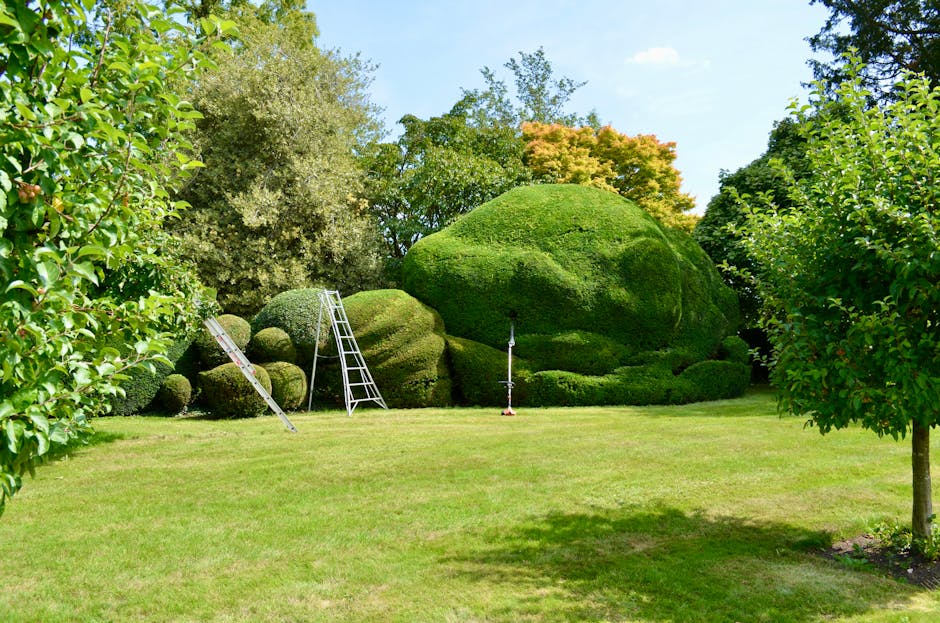
Garden maintenance for High Elms Country Park neighbours
If you live near High Elms Country Park, you already know the setting is a bit special. The trees, the open green space, the changing light through the seasons - it all makes a garden feel like part of the landscape rather than a separate patch of ground. But that also means your outdoor space needs thoughtful care. Garden maintenance for High Elms Country Park neighbours is not just about keeping things neat. It is about managing growth, dealing with shade and wind, staying ahead of weeds, and making sure your garden feels calm, usable, and well looked after all year round.
In practical terms, that can mean anything from regular mowing and hedge shaping to seasonal pruning, patio cleaning, border tidy-ups, and keeping invasive growth under control. It is the kind of work that looks simple from the outside, then suddenly eats your whole Saturday. If that sounds familiar, you are in the right place. This guide explains how maintenance works, what to prioritise, common mistakes to avoid, and how to build a routine that suits the local conditions around High Elms.
Table of Contents
- Why Garden maintenance for High Elms Country Park neighbours Matters
- How Garden maintenance for High Elms Country Park neighbours Works
- Key Benefits and Practical Advantages
- Who This Is For and When It Makes Sense
- Step-by-Step Guidance
- Expert Tips for Better Results
- Common Mistakes to Avoid
- Tools, Resources and Recommendations
- Law, Compliance, Standards, or Best Practice
- Options, Methods, or Comparison Table
- Case Study or Real-World Example
- Practical Checklist
- Conclusion
- Frequently Asked Questions
Why Garden maintenance for High Elms Country Park neighbours Matters
Gardens near a large green space tend to grow with a mind of their own. That is not a complaint, exactly. It is more a fact of life. You get more leaf drop, more shade in some corners, more moisture after rain, and sometimes more competition from roots, self-seeding plants, or fast-moving climbers. A garden that would look fine in a sheltered urban street can behave very differently beside a park edge.
Good maintenance matters because it keeps your garden usable, safe, and attractive without turning it into a full-time job. A tidy lawn, clear paths, and healthy borders make the whole property feel more settled. More importantly, maintenance prevents small issues from becoming the sort of problems that cost real money later. Think ivy slipping into brickwork, hedges blocking light, a slippery patio, or grass becoming patchy because it was left too long between cuts.
There is also a neighbourhood aspect. When your garden is under control, it lifts the street as a whole. That sounds small, but it is not. A well-kept boundary can make a house feel cared for, and in a place with such a strong natural character, that really does matter.
For many households, the challenge is not knowing what to do. It is finding time, consistency, and the right order of jobs. Truth be told, gardens reward rhythm more than heroics.
How Garden maintenance for High Elms Country Park neighbours Works
Garden maintenance is best understood as a cycle, not a one-off visit. The work usually starts with a review of the space: what is growing strongly, what is struggling, what is becoming cluttered, and what needs attention before the next season turns. From there, a practical maintenance plan is built around the property's layout, planting style, and how much upkeep you want to handle yourself.
A typical routine may include lawn mowing, edge trimming, weeding, deadheading, hedge cutting, pruning, clearing leaves, and pressure or surface cleaning where hard landscaping needs it. In wetter months, drainage and moss control may become more important. In spring and summer, growth management and border care usually take the lead. Autumn brings leaf clearance and preparation. Winter is the season for protection, structure, and sensible restraint.
If you are close to High Elms Country Park, a good plan also accounts for the local microclimate. Shadier parts of the garden may need different planting or mowing habits. Wind-exposed boundaries may need stronger hedging or staking. And areas near trees may need more frequent leaf and debris clearance. Small details, yes - but they add up.
Many homeowners choose a blend of regular tasks and occasional specialist work. That might mean using professional garden maintenance support for the ongoing essentials while keeping lighter jobs for themselves. Others prefer a broader service package that includes lawn care, hedge trimming, or even occasional patio cleaning when the hard landscaping starts looking tired.
Key Benefits and Practical Advantages
The obvious benefit is appearance. A maintained garden simply looks better, and that is never wasted. But the deeper benefits are more practical.
- Less long-term damage: Regular pruning, weeding, and clearing reduce the chance of structural or plant health issues building up.
- Better usability: Paths stay safer, lawns stay walkable, and seating areas feel inviting instead of neglected.
- Healthier planting: Plants get better airflow, better light access, and less competition.
- Lower effort later: Small, regular jobs are easier than dramatic catch-up work after weeks of neglect.
- More seasonal resilience: Gardens that are maintained properly cope better with wet spells, heat, frost, and wind.
There is also a quieter benefit that people often notice after the fact: the garden starts feeling easier to live with. You step outside and do not immediately see a list of jobs. That matters. It changes how often you use the space, how relaxing it feels, and whether you want to spend time there with a cup of tea on a grey afternoon.
If you enjoy being outdoors, maintenance also supports more creative ideas later on. A tidy base makes it much easier to introduce new planting, seating, or layout changes. For example, a simple, low-maintenance structure can be built on top of a well-kept foundation rather than fighting through overgrowth. For inspiration on easier planting approaches, the article on low-maintenance and cost-effective gardening is worth a look.
Who This Is For and When It Makes Sense
This sort of maintenance is useful for a wide range of neighbours around High Elms Country Park, not just keen gardeners. In fact, the people who benefit most are often the ones who feel they are a bit behind with their outdoor space.
You may need regular support if:
- your garden backs onto trees, hedgerows, or park-facing boundaries
- you do not have time for weekly upkeep
- your lawn, hedges, or borders are growing faster than you can manage
- you are preparing a home for sale or rental
- you want a low-maintenance garden that still looks cared for
- you have inherited a garden that needs tidying and structure
- you want to avoid heavy seasonal catch-up work
It also makes sense if you have specific challenges. A shady garden can become mossy and damp. A windy plot may need more stable planting and sensible barriers. A garden with pets or children may need clear, safe surfaces and reliable boundary maintenance. If any of that sounds familiar, you are not being fussy. You are being realistic.
And for anyone starting from a messy place, there is no shame in that. Neglected spaces are common. The good news is that they are usually very recoverable, especially if you begin with a sensible plan like the one outlined in this guide to transforming a neglected garden.
Step-by-Step Guidance
A strong maintenance routine does not need to be complicated. It just needs to be repeatable. Here is a practical way to approach it.
1. Start with a full garden walk-through
Look at the garden from end to end. Notice where growth is dense, where water collects, which areas are used most, and which corners are quietly getting worse. You do not need a notebook full of grand ideas. You just need a clear sense of what is urgent.
2. Deal with safety and access first
Clear paths, steps, and edges before tackling the decorative bits. A slippery patio or an overgrown path affects how you use the garden every day. If the surface needs proper attention, consider support with patio cleaning rather than trying to scrub away months of build-up in one go.
3. Tackle overgrowth in the right order
Hedges, climbers, and trees can quickly dominate a space. Start with anything blocking light, access, or airflow. If climbers are spreading where they should not, deal with them early rather than later. Ivy, in particular, can be persistent, and there is a practical read on removing ivy safely and thoroughly.
4. Reset the lawn
Mow at the right height, keep the edges crisp, and do not scalp the grass just because it looks untidy. In this area, lawns often need a little more consistency because shade and moisture can make them uneven. A steady approach through the season is better than aggressive cuts after long gaps. If you want a dedicated approach, lawn mowing support can help maintain rhythm.
5. Weed, mulch, and feed where needed
Weeding is easier when done little and often. Once borders are clear, mulching helps suppress new growth and retain moisture. Feeding should be sensible, not excessive. If the soil already has a decent structure, you may need far less than you think.
6. Shape hedges and boundaries
Hedges do more than look tidy. They create privacy, soften wind, and define the space. If yours are getting away from you, a regular trim is better than a drastic cut that leaves bare patches. For neighbours who value structure and privacy, fast-growing hedge ideas can be a useful starting point.
7. Finish with seasonal detailing
Clear leaves, remove dead material, tidy pots, and check for anything damaged by weather. It sounds minor, but this is the stage that makes a garden feel finished rather than merely cut back. A small detail, but you will notice it every time you look out the window.
Expert Tips for Better Results
After years of keeping outdoor spaces in order, a few principles keep proving themselves. They are not flashy, just dependable. And honestly, that is what most gardens need.
- Work with the garden's conditions, not against them. If a corner stays wet, do not force a plant that hates wet feet. If a hedge catches wind, plan for it instead of hoping for the best.
- Keep maintenance intervals short. Two smaller sessions usually beat one exhausting rescue mission.
- Use the right cut at the right time. Hedge trimming, pruning, and mowing all have their own rhythm. Timing matters more than people think.
- Prioritise structure before decoration. A border looks better after its edges, weeds, and height are under control.
- Build in winter protection early. Cold, rain, and wind can undo months of work if plants are left exposed. The advice in winter garden protection is especially helpful for exposed spaces.
- Choose lower-maintenance planting where appropriate. Ground covers, resilient shrubs, and evergreen structure can reduce workload without making a garden dull.
One more thing: do not try to solve every problem with more effort. Sometimes a garden needs design changes, not just more labour. A better plant choice, a sensible border edge, or a more suitable barrier can save you hours every season.
For instance, if your garden is open to gusts, a combination of planting and boundary support may work better than hoping a few tender shrubs will somehow tough it out. The piece on wind strategies from planting to barriers covers that idea nicely.
Common Mistakes to Avoid
Most garden maintenance problems are not caused by one huge mistake. They come from small oversights that quietly pile up. The good news? They are easy enough to avoid once you know what to watch for.
- Cutting too much at once: This can stress plants and leave hedges thin or patchy.
- Ignoring the edges: Untidy borders, weedy cracks, and messy corners make even a mown lawn look unfinished.
- Leaving ivy or climbers unchecked: They can spread fast and become a real nuisance. The earlier you intervene, the better.
- Overwatering or overfeeding: More is not always better. It can create weak growth and unnecessary mess.
- Letting leaves sit through wet weather: That is how you get slippery paths and unhappy grass.
- Using a one-size-fits-all approach: Sunny beds, shady borders, and boundary hedges all need different treatment.
Another mistake is waiting until everything looks bad before doing anything. Gardens rarely go from fine to disastrous overnight. They slip gradually. A little here, a little there. Then suddenly the whole space feels too far gone. That is why regular garden maintenance is so valuable - it keeps the garden close to the line, rather than chasing it from behind.
Tools, Resources and Recommendations
You do not need an enormous toolkit to keep a garden in decent shape, but a few reliable tools make life easier. The point is control, not clutter.
Useful basics include:
- a dependable mower or access to mowing support
- sharp secateurs and loppers for pruning
- a rake for leaves and debris
- gloves that actually fit properly, which sounds obvious until you try pruning roses in oversized gloves
- a hoe or hand weeder for border maintenance
- hedge trimmers for shaped boundaries
- a pressure washer or professional cleaning support for hard surfaces
For anyone leaning toward a more sustainable approach, it is also worth thinking about composting and reusing organic waste. That saves money, cuts landfill waste, and improves soil structure over time. A useful companion read is transforming organic waste into something useful.
If you prefer a calmer, low-effort style, there are sensible ways to reduce maintenance without making the garden feel bare. Ground covers are especially practical in tricky spots, and the guide on ground covers for UK gardens is a smart place to start.
For more general service support, you may also want to explore broad gardening services, specialist lawn care, or tree surgery where larger or riskier work is involved.
Law, Compliance, Standards, or Best Practice
Garden maintenance is usually straightforward, but there are still sensible standards to follow. If you have trees, hedges, fences, or neighbouring boundaries, it is worth being careful and fair. In the UK, overhanging branches, root spread, and boundary responsibilities can become awkward if they are ignored for too long. The practical answer is usually communication first, action second, and documentation where needed.
There is also a safety side. Any work involving ladders, large branches, steep slopes, slippery surfaces, or powered equipment needs proper care. If you are using a contractor, it is reasonable to check that they take insurance, safety procedures, and risk management seriously. A good provider should be comfortable discussing how they work, how they reduce risk, and what happens if something unexpected comes up. That is just sensible, really.
For this reason, it helps to look at pages such as insurance and safety and health and safety policy before agreeing to bigger jobs. If you want to understand how a service handles queries or concerns, the complaints procedure can also offer reassurance.
On the privacy and service side, standard UK website policies matter too. They may not change how your garden is cut, but they do show that the business is set up properly and takes customer information seriously. You can review the privacy policy, cookie policy, terms and conditions, and payment and security information if you are comparing providers.
Options, Methods, or Comparison Table
Different gardens need different maintenance styles. Sometimes a full service is the most practical. Sometimes a lighter, targeted approach makes more sense. Here is a simple comparison.
| Approach | Best for | Pros | Trade-offs |
|---|---|---|---|
| DIY maintenance | Small gardens, confident gardeners, low growth pressure | Flexible, hands-on, cost-conscious | Time-consuming, easy to fall behind, equipment needed |
| Regular professional maintenance | Busy households, larger gardens, stronger seasonal growth | Consistent results, less stress, better planning | Ongoing cost, needs clear brief |
| Seasonal tidy-up visits | Gardens that need periodic resets rather than weekly work | Good for spring/autumn resets, useful catch-up option | Can let problems build between visits |
| Project-based improvement | Neglected gardens or spaces needing a full refresh | Transforms the garden quickly, solves structural issues | More intensive, often needs more budget and planning |
If you are unsure which path fits, ask a simple question: do you want the garden to stay under control all year, or do you mainly need help when it gets away from you? That one question usually clarifies the decision more than any sales pitch.
For some homes, a mix works best - routine lawn mowing, occasional hedge trimming, and periodic hard surface cleaning. Simple enough, but effective.
Case Study or Real-World Example
Take a typical semi-detached home near the park edge. The garden has a lawn that gets shaded by a mature tree, a hedge along the boundary, a couple of flower beds, and a patio that turns green after wet weather. Nothing dramatic. Just a garden that had slowly slipped.
The first pass focused on clearing leaves, cutting back overgrown hedge tips, and lifting the lawn edges. The second pass dealt with weeds in the borders and removed a stretch of ivy that had started creeping into a side fence. The patio was cleaned properly, which made the whole space feel brighter even before any planting changed. After that, a few low-maintenance plants were introduced into the shadier bed, and the mowing schedule was tightened up so the lawn never got too long between cuts.
The result was not a magazine garden. That was never the goal. But it became much easier to use, easier to keep neat, and far less stressful to look at on a rainy Monday morning. That is usually what people actually want, if we are honest. Something pleasant, not precious.
If the garden had needed more structural improvement, the next step might have been boundary work or layout changes through landscaping support, or a new privacy feature through fencing. But in many cases, the big win comes from consistent maintenance first.
Practical Checklist
Use this as a simple monthly or seasonal guide. It is not fancy. It works.
- Walk the garden and note what looks overgrown, damaged, or unsafe
- Mow the lawn or arrange mowing support before it gets too long
- Trim hedge edges and shape growth before it becomes unruly
- Remove weeds from borders, paths, and cracks
- Clear leaves, twigs, and general debris
- Check patios, decking, and paths for slippery build-up
- Inspect boundary plants, fences, and supports
- Cut back invasive or unwanted climbers
- Deadhead flowers and remove dead material
- Mulch exposed soil where appropriate
- Review what needs winter protection or spring attention
- Decide whether the next stage is DIY, a one-off tidy-up, or ongoing maintenance
Expert summary: the best garden maintenance is steady, seasonal, and realistic. Keep the structure under control, protect what is vulnerable, and do a little often rather than a lot later. That approach saves time, money, and a fair bit of frustration.
When the garden is healthy but the schedule is not, a bit of outside help can be a relief. If you want to talk through the options or ask what level of support makes sense for your space, start with getting in touch with the team.
Get a free quote today and see how much you can save.
Conclusion
Garden maintenance for High Elms Country Park neighbours is really about keeping pace with nature rather than trying to dominate it. Near a green space like this, gardens benefit from regular attention, smart seasonal work, and a calm, practical plan that respects the conditions around them. If you get the basics right - lawn care, hedge control, weed management, cleaning, and sensible protection - the whole space becomes easier to live with.
You do not need a perfect garden. You need one that feels cared for, season after season, without becoming a burden. That is absolutely achievable. And once the big jobs are under control, the enjoyable parts come back into view: the scent of cut grass, the sound of leaves moving in the breeze, and a place that genuinely feels like yours.
Frequently Asked Questions
How often do gardens near High Elms Country Park usually need maintenance?
It depends on the size of the garden, the amount of shade, and how much you want to do yourself. Many gardens benefit from light weekly attention and a more thorough seasonal tidy-up. Fast-growing hedges, lawns, and shady borders often need checking more often.
Is regular maintenance better than occasional big tidy-ups?
Usually, yes. Smaller, regular jobs are easier on the garden and easier on you. Waiting too long often means heavier pruning, more weeds, and a bigger clean-up bill. Not always, but often enough.
What are the most important garden tasks in spring?
Spring is the time to clear winter debris, refresh borders, cut back damaged growth, feed the soil, and get lawns back into shape. It is also a good moment to assess what survived well and what needs replacing.
Why do shaded gardens near the park need special care?
Shaded areas can hold moisture, encourage moss, and reduce grass vigour. They may also need different planting choices. A shade-heavy garden is not a problem, but it does need a slightly different plan.
Can I manage ivy and climbers myself?
Sometimes, yes, especially if growth is light and accessible. But established ivy can be stubborn, and if it is near masonry, fences, or mature shrubs, it is worth being careful. A phased approach is usually safest.
What should I look for in a garden maintenance service?
Look for clear communication, a sensible maintenance plan, and a practical understanding of lawns, hedges, borders, and seasonal work. It is also sensible to check safety, insurance, and how the service handles payment and any concerns.
Is patio cleaning really part of garden maintenance?
It often is. Hard surfaces collect algae, leaf staining, and general grime, especially in damp or shaded gardens. Cleaning them can make the whole space feel brighter and safer, so it is more than just a cosmetic extra.
How can I make my garden lower maintenance?
Use more ground covers, hardy shrubs, and good edging. Reduce the amount of lawn if it is hard to maintain, and choose plants suited to shade, wind, or damp conditions. The point is not to remove all work, just to make the work sensible.
Do I need hedge trimming every season?
Not always, but many hedges benefit from at least one or two trims depending on the type and how quickly they grow. Regular trimming usually gives a much cleaner shape than leaving everything until it is overgrown.
What is the best way to deal with a neglected garden?
Start with a full clear-up: remove debris, cut back overgrowth, deal with weeds, and make paths usable. After that, fix the structure. The article on neglected garden transformation is a helpful place to see how that process works in practice.
Can maintenance help with privacy as well as appearance?
Yes. Hedges, fences, layered planting, and climbing structure can all improve privacy while still looking attractive. In fact, a well-planned boundary usually does both jobs at once, which is the nice bit.
How do I know whether to book a one-off tidy-up or ongoing care?
If the garden is mostly in good shape but just needs a reset, a one-off tidy-up may be enough. If growth keeps getting ahead of you, ongoing care is usually the better choice. The right answer depends on time, budget, and how much peace of mind you want.
Where can I find more information about safety and service policies?
You can review the site's insurance, health and safety, terms, payment, and privacy pages for more detail. Those pages help set clear expectations before any work begins.